

Why Professional Installation Matters for Home Backup Generators
Safe Generator Setup Requires More Than Choosing the Right Equipment
Buying a generator may seem like the biggest decision in the process, but the equipment itself is only one piece of the puzzle. For homeowners considering home backup generators, professional installation helps ensure that the system is suited to the property, connected correctly, and ready to operate when the utility power disappears. A generator that is too small may struggle with important loads, while one that is poorly connected can create serious electrical concerns. An experienced installer looks at the home as a complete system, including the electrical panel, essential circuits, available fuel, outdoor space, and expected power demand. That preparation turns a piece of machinery into a practical source of backup electricity.
Proper sizing is especially important because every household has different priorities during an outage. Some families may only need refrigeration, lighting, heating controls, and a few outlets, while others want to keep a well pump, sump pump, air conditioning, or additional appliances running. Professionals calculate those loads rather than relying on rough estimates. Starting requirements for motors and compressors also need to be considered because some equipment briefly uses more electricity when it switches on. By matching generator capacity to realistic household demand, the system can operate more efficiently and with less risk of overloading when several essential devices are needed at once.
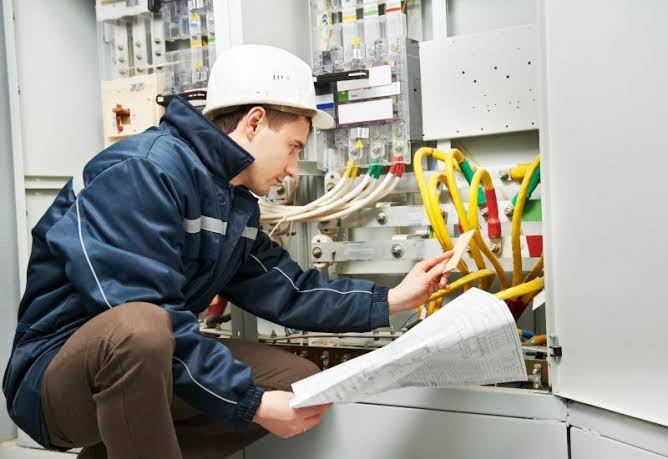
Safe connection to the electrical system is another area where professional knowledge becomes essential. A generator cannot simply be connected to household wiring without the correct transfer equipment. The transfer system separates generator power from the utility supply and directs electricity to the selected circuits when needed. Without the proper arrangement, unsafe back feeding can occur, potentially putting equipment and utility workers at risk. Installers also check breaker sizes, conductor ratings, grounding arrangements, and panel conditions. These details may not be very visible once installation is complete, yet they are a major part of what makes a backup system dependable.
Placement deserves just as much thought as the electrical work. Generators produce exhaust, heat, vibration, and noise, so their location must be chosen carefully. Outdoor clearances, ventilation, nearby doors or windows, fuel connections, and access for maintenance can all influence where the unit belongs. Local installation requirements may add further rules that need to be followed. A professional can consider these practical details before installation begins, avoiding the frustration of discovering later that the selected location creates a safety problem or makes servicing difficult. Good planning also helps keep cables, pipes, and equipment organized around the property.
A professionally installed backup system brings the most value when bad weather or an unexpected outage puts it to the test. With home backup generators, reliability depends on far more than whether the engine starts, the electrical connections, transfer equipment, fuel arrangement, ventilation, and load planning all need to work together. Experienced installers can also explain routine maintenance, testing schedules, and the warning signs that deserve attention. That guidance helps homeowners understand how to keep the system prepared between outages. When each part has been planned with care, backup power becomes less of a last-minute emergency solution and more of a dependable part of the home’s electrical setup.
…